
A roof can do more than shield your home from rain and sun. It can also shape your property’s character. If you appreciate natural materials, distinctive textures, and timeless curb appeal, you may have wondered: What is a shake roof, and is it the right choice for your house?
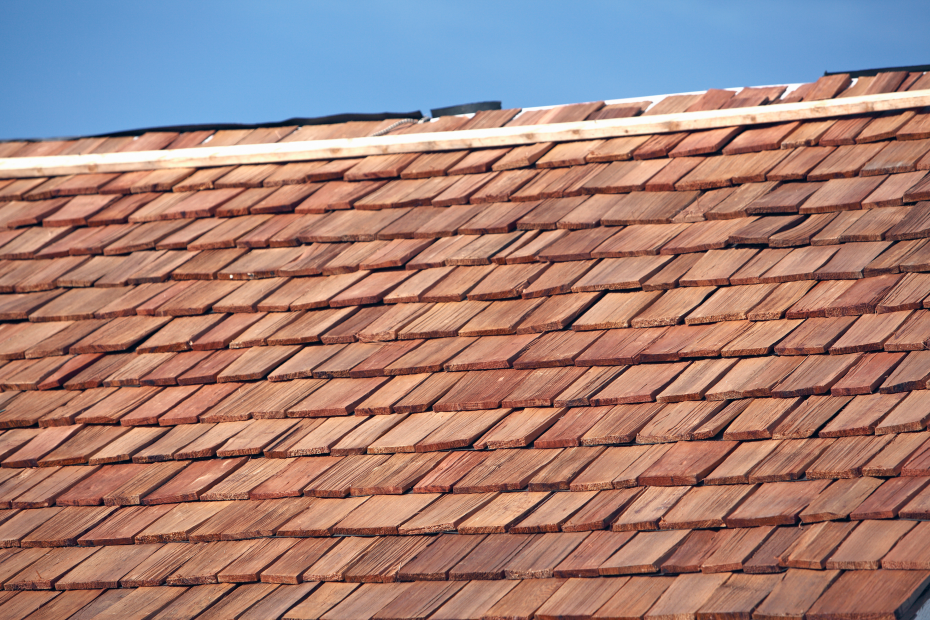
A shake roof is a roofing system made from split pieces of natural wood, most commonly cedar. Unlike manufactured roofing materials that are designed for uniformity, shakes have a more organic appearance. Their varied grain, thickness, and texture can give a residential home a warm, classic look.
For homeowners considering this option, it’s important to understand the material, installation process, benefits, limitations, and maintenance requirements. At Cloise & Mike Construction, we help homeowners make informed roofing decisions based on their property’s needs, style, and long-term goals.
What Is a Shake Roof and How Does It Work?
So, what is a shake roof in practical terms? A shake roof uses individual wooden shakes as the exterior roofing material. These pieces are generally split from wood rather than manufactured into perfectly uniform boards.
The traditional process gives each shake a distinctive surface and profile. Because the material is made from natural wood, no two pieces look exactly alike. This creates a roof with depth and character that can complement traditional, rustic, craftsman, and other architectural styles.
A shake roof is different from ordinary wood shingles. Wooden shingles made by sawing wood tend to have smoother, more consistent surfaces and edges. Shakes, by contrast, often retain a more textured and handcrafted appearance.
Many wood roofs consist of multiple layers of individual pieces arranged so water moves downward from one course to the next. Proper installation is essential because the roofing system must manage moisture while allowing the wood to perform as intended.
Shingles vs. Shakes: What Is the Difference?
The words shingles and shakes are sometimes used interchangeably, but they describe different roofing products. Understanding the distinction can help you choose a suitable material for your home.
Wooden shingles are generally sawn from wood, giving them a relatively smooth and uniform appearance. Wooden shakes are traditionally split, creating a rougher texture and more pronounced natural characteristics.
Shakes may have greater visual variation because they preserve more of the wood’s natural grain. This can make a shake roof especially attractive to homeowners seeking an authentic, natural look.
However, appearance is not the only difference. The specific products, manufacturing methods, wood species, thickness, installation requirements, and local conditions can all affect how a roofing system performs. A professional evaluation from Cloise & Mike Construction can help determine whether shakes or another roofing material makes sense for your property.
Natural Wood and Wooden Shakes: Why Cedar Is Popular
When discussing shake roofing, cedar is one of the most recognized materials. Cedar is naturally resistant to certain forms of decay and has historically been used for exterior applications where weather exposure is a concern.
Cedar shakes have a warm color when new, and their appearance can change over time as sunlight and weather expose the wood. Depending on the environment and maintenance approach, cedar can develop a distinctive weathered appearance.
Cedar’s natural grain also contributes to the visual appeal of wood roofs. Rather than creating a perfectly repetitive pattern, wooden shakes can provide subtle differences in texture and tone across the roof.
Other wood species may also be used for roofing products, depending on availability, product specifications, regional practices, and homeowner preferences. The key is selecting an appropriate material and installing it correctly.
How Shake Roofing Is Installed
A shake roof requires careful installation because the individual shakes must work together as a weather-resistant system. The roof deck, underlayment, ventilation, flashing, fasteners, spacing, and placement of each piece all contribute to performance.
During installation, installers arrange shakes in overlapping courses. This overlapping pattern helps direct water away from the roof structure. The installer must also pay attention to areas around chimneys, valleys, vents, skylights, and other roof penetrations.
How shakes are cut, split, spaced, and secured can affect both appearance and durability. Poor workmanship may create unnecessary openings where moisture can enter.
For this reason, choosing the right material is only part of the process. Experienced installation matters just as much. Cloise & Mike Construction approaches roofing projects with careful preparation, attention to detail, and quality workmanship so homeowners can feel confident in their investment.
Shake Pros: Why Homeowners Choose Wood Roofs
One of the biggest reasons homeowners choose a shake roof is its appearance. Natural wood can add warmth and personality that is difficult to reproduce with some manufactured roofing products.
There are several potential shake pros to consider:
- Distinctive appearance: Natural wood provides texture, variation, and character.
- Curb appeal: A well-maintained shake roof can complement many architectural styles.
- Natural material: Homeowners who appreciate organic building materials may prefer wood.
- Long-term visual character: Cedar and other wood products can develop an attractive weathered appearance.
- Architectural versatility: Shakes can work well with traditional, rustic, craftsman, and similar residential designs.
A shake roof can also coordinate nicely with other exterior materials. For example, the texture of wood shakes may complement stone, brick, painted siding, or other natural-looking finishes.
At Cloise & Mike Construction, we understand that a roofing decision is about more than protection. Homeowners also want a roof that fits their home’s personality and design.
Shake Cons: What Should Homeowners Consider?
Although shake roofing has many advantages, it isn’t automatically the best option for every property. Homeowners should also understand the potential cons of shake roofing before deciding.
Natural wood requires appropriate care and attention. Moisture, debris, algae, moss, insects, severe weather, and prolonged exposure can affect the material’s condition. The roof’s performance can also depend heavily on installation quality and ventilation.
Maintenance requirements may be higher than those for some asphalt roofing products. Depending on the specific roof, local climate, material quality, and maintenance history, the overall cost can also be higher.
Another consideration is consistency. If you prefer a highly uniform pattern, shakes may not be ideal because natural wood varies in color, texture, and grain.
That does not make shake roofing a poor option. It simply means homeowners should consider both the advantages and responsibilities that come with choosing a natural material.
Cedar Shakes, Maintenance, and Long-Term Performance
Cedar shakes can provide years of service when they are properly selected, installed, and maintained. Regular inspections are valuable because small problems are often easier to address before they become major roofing concerns.
Homeowners should watch for cracked or damaged shakes, excessive moss or debris, signs of moisture intrusion, deteriorating flashing, and areas where the roofing material appears unusually worn.
Properly maintaining the roof and surrounding areas can also support better performance. Manage trees when branches make excessive contact with the roof, and keep gutters clear so water drains efficiently.
Also, don’t treat every wood roof the same way. The right maintenance approach depends on the roofing products and the manufacturer’s recommendations.
If your cedar shake roof looks aged or damaged, Cloise & Mike Construction can help you evaluate its condition and determine whether maintenance, repairs, or a larger roofing project is appropriate.
Shake Roof Cost and Is It the Right Option for Your Home?
Shake roof costs can vary considerably. Material selection, roof size, pitch, accessibility, labor, existing roof conditions, removal requirements, flashing details, and installation complexity can all influence the final price.
Because of these variables, homeowners should be cautious about relying on a simple price per square foot without a proper assessment.
It is also helpful to compare long-term value rather than focusing only at the initial cost. A roof should provide dependable protection, complement the property, and fit the homeowner’s maintenance expectations.
If you love natural wood, distinctive texture, and traditional craftsmanship, a shake roof may be an appealing option. If your priority is lower maintenance or a more predictable appearance, another roofing material may better suit your needs.
Cloise & Mike Construction can help you weigh these factors and choose a roofing solution based on your home’s structure, appearance, budget, and practical needs.
Make the Right Choice for Your Shake Roof
A roof is one of the most important parts of your home, so choosing the right material deserves careful consideration. Now that you know what a shake roof is, you can better understand why cedar shakes and other wood shakes remain attractive to homeowners who want natural character and a distinctive exterior.
From material selection to installation and maintenance, every stage can affect the finished roof. Whether you are exploring shake shingles for a new project or evaluating an existing shake roof, professional guidance can make the process easier.
Cloise & Mike Construction is ready to help you turn your roofing ideas into a practical plan. When quality, craftsmanship, and confidence matter, reach out today to discuss your project and discover whether shake roofing is the right fit for your home.