
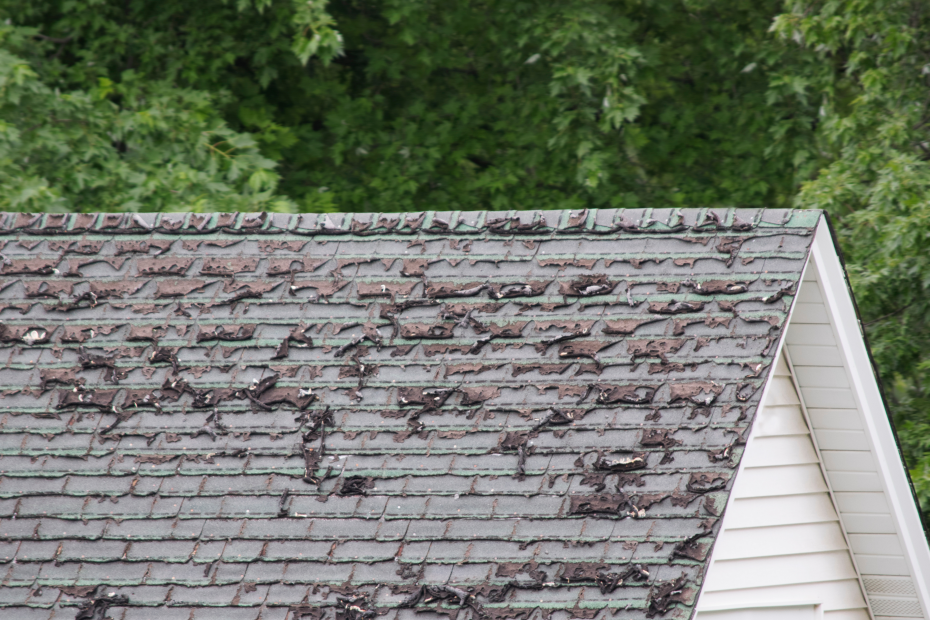
A strong roof does more than keep rain out. It stands between your home and the weather that can arrive without warning.
If you have ever wondered what a Class 3 shingle is, the answer starts with impact resistance. Class 3 shingles are asphalt roofing products designed and tested to provide higher impact protection than standard shingles. This can make them an appealing choice for homeowners who experience frequent storms, hail, or changing weather conditions.
At Cloise & Mike Construction, we understand that choosing roofing materials is a major decision. A roof affects your home’s protection, appearance, maintenance needs, and long-term value. Understanding the difference between shingle ratings can help you choose more confidently.
What Does the Class Rating Mean for Residential Shingles?
The term class refers to an impact-resistance rating used for certain roofing products. Under the UL 2218 impact-resistance test, roofing shingles and other materials are evaluated based on how they respond to repeated impacts from steel balls.
Class 1 through Class 4 represent increasing levels of performance under this particular test. A Class 3 product has demonstrated greater impact resistance than Class 1 or Class 2 products, while Class 4 represents the highest rating in this system.
A rating does not mean a roof is completely immune to damage. Real-world storms involve many variables, including wind speed, hail characteristics, installation quality, roof age, and weather conditions.
Cloise & Mike Construction can help homeowners understand how an impact-resistance rating fits into their overall roofing needs rather than treating the rating as the only factor that matters.
How Do Class 3 Shingles Handle Impact?
So, what gives a Class 3 shingle its rating? The answer is the testing process.
During an impact-resistance test, roofing materials undergo controlled impacts intended to simulate hail. The test uses steel balls of a specified diameter and examines whether the shingle develops visible damage that affects its performance.
This process provides a consistent way to compare roofing products. A Class 3 rating indicates the product met the requirements for that level of impact resistance during testing.
However, homeowners should not assume Class 3 shingles can withstand hailstones of every size or prevent all storm damage. Actual hail varies greatly in shape, density, speed, and force. A product that performs well during controlled shingle testing can still experience impact damage during an unusually severe storm.
What Makes These Shingles Different From Standard Roofing Shingles?
Not every asphalt roof shingle is manufactured with the same level of impact resistance. Class 3 products are engineered with materials and construction methods intended to improve their ability to withstand impacts.
Depending on the manufacturer and product type, features may include reinforced construction, modified asphalt formulations, or other design elements that help the shingles respond to impact.
For homeowners, the practical advantage is added resistance. When a roof encounters moderate hail or other flying debris, stronger shingles may be better equipped to withstand impacts without immediately showing the same degree of damage as a less impact-resistant product.
At Cloise & Mike Construction, we look beyond labels and consider the complete roofing system. The underlayment, flashing, ventilation, decking, installation techniques, and surrounding materials all contribute to how a roof performs.
Can Class 3 Shingles Protect Your Home From Hail?
Hail protection is one of the biggest reasons homeowners consider impact-resistant roofing. If your area regularly experiences storms, it may be worth discussing shingles with a higher resistance class with a roofing professional.
Class 3 shingles can offer improved resistance compared with lower-rated products, but they should not be described as hail-proof. Large or unusually forceful hail can damage even well-rated roofing products.
The roof’s condition and age also matter. Older shingles can become more brittle over time, while poor installation can reduce the expected performance of roofing materials.
A properly selected and professionally installed roof can give your home a better chance of handling everyday weather and moderate storm events. Cloise & Mike Construction can help homeowners evaluate whether a Class 3 product makes sense for their property’s exposure, roof design, and long-term plans.
What Are the Benefits of Choosing Class 3 Shingles?
Choosing an impact-resistant product can offer several advantages, especially for homeowners who want to improve the durability of their roofing system.
Some key benefits include:
- Improved impact resistance: Class 3 shingles are designed to perform better against certain impacts than lower-rated products.
- Added storm protection: They may provide an extra layer of defense during hail-producing weather.
- Potential long-term value: Durable materials may help reduce the frequency of premature roof repairs or replacement.
- Residential appeal: Many Class 3 products are designed to provide the familiar appearance of traditional asphalt shingles.
- Possible insurance considerations: Some insurance providers may offer incentives for qualifying impact-resistant roofing, although eligibility and requirements vary.
Consider these benefits alongside product cost, installation quality, warranty terms, and the specific weather risks affecting your home.
Are Class 3 Shingles Worth the Cost?
The cost of Class 3 shingles varies by manufacturer, product line, roof size, installation requirements, and other roofing materials involved in the project. They may cost more upfront than basic asphalt shingles, but the additional investment can provide greater impact resistance.
Whether that added cost is worthwhile depends on your circumstances. A homeowner in an area with frequent hail may place more value on impact resistance than someone who rarely experiences severe storms.
It is also important to look beyond the initial price. A roof is a long-term investment, and choosing materials solely because they have the lowest upfront cost may not always be the best approach.
Cloise & Mike Construction can help you compare roofing options based on durability, appearance, expected service life, warranty coverage, and overall project requirements. The goal is to select materials that make sense for your home rather than simply choosing the highest rating available.
How Should Homeowners Compare Class 3 Roofing Products?
Not all Class 3 shingles are identical. The rating provides useful information about impact performance, but homeowners should also examine the product’s other characteristics.
Start by checking the manufacturer’s specifications and warranty. Look at the expected service life, wind rating, installation requirements, available styles, and compatibility with your existing roof system.
It is equally important to consider the contractor installing the shingles. Even high-quality roofing products can perform poorly when installation is rushed or completed incorrectly.
Ask questions about ventilation, flashing, underlayment, decking, fastener placement, and other parts of the roofing system. A complete approach helps ensure the roof can handle everyday weather as well as more challenging conditions.
Cloise & Mike Construction believes that homeowners deserve clear information before making a roofing decision. Understanding the product and installation process can make the investment feel much more manageable.
Class 3 vs. Class 4: What Is the Difference?
A common question is whether homeowners should choose Class 3 or Class 4 shingles. Both are impact-resistant products, but Class 4 represents a higher level within the UL 2218 classification system.
That does not automatically mean Class 4 is the right choice for every residential property. The cost difference may not provide enough added value for every homeowner, while some properties may benefit from selecting the highest available impact rating.
Your local weather exposure, roof condition, budget, insurance considerations, and long-term plans should all be part of the conversation.
Remember that impact resistance is only one part of roof performance. Wind resistance, water management, ventilation, material quality, and installation workmanship can all influence how successfully a roof protects your home.
Why Professional Roofing Installation Matters
Choosing the right shingles is important, but installation is just as critical. Roofing materials must be installed according to manufacturer specifications to achieve their intended performance.
Improper fastening, inadequate flashing, poor ventilation, or roof deck problems can create vulnerabilities regardless of the shingle’s resistance rating.
Professional roofing work also helps identify existing problems before installing new materials. Address damaged decking, deteriorated underlayment, or moisture intrusion instead of simply covering the issue with new shingles.
For homeowners considering an impact-resistant roof, Cloise & Mike Construction provides a practical approach focused on quality workmanship and dependable roofing solutions. Careful installation helps your selected materials perform as intended and gives you greater confidence in your investment.
Make a Smarter Roofing Choice for Your Home
Choose a roof that meets today’s needs and tomorrow’s weather. Now that you know what a Class 3 shingle is, you can better understand why impact resistance is an important consideration for some homeowners.
Class 3 shingles offer enhanced impact resistance compared with lower-rated products, making them worth considering for homes exposed to hail and demanding weather. Still, the rating doesn’t guarantee protection against all damage. Product quality, installation, roof condition, and local weather patterns all matter.
If you are ready to explore whether impact-resistant roofing is right for your property, Cloise & Mike Construction is here to help you evaluate your options with confidence. Reach out today and take the first step toward a stronger, more dependable roof built for the conditions your home faces.